
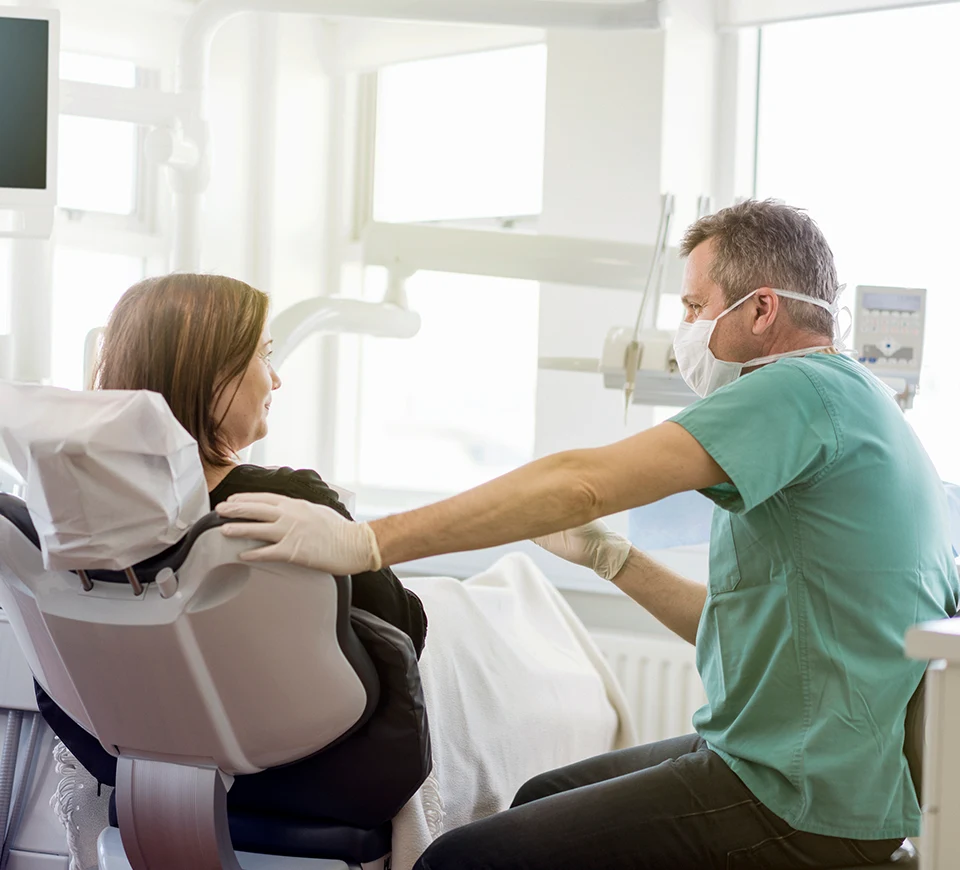
If you’re facing a dental emergency, stay calm and act quickly. Call your dentist right away, control any bleeding with firm pressure, preserve a knocked-out tooth in milk or back in its socket, and rinse your mouth gently with warm water. Apply a cold compress for swelling, and avoid placing aspirin directly on gum tissue.
What Is Considered a Dental Emergency?
A dental emergency is any oral health problem requiring immediate care to stop bleeding, save a tooth, or relieve severe pain. True emergencies include knocked-out teeth, dental abscesses with facial swelling, uncontrolled bleeding, and trauma that has loosened or displaced teeth. These cases need prompt attention, often within minutes to hours, to prevent permanent damage or serious health complications for Warner Robins, GA families.
Not every dental problem qualifies as an emergency, though. A lost filling, a small chip without pain, or mild tooth sensitivity can typically wait a day or two for a scheduled appointment. These issues are urgent but not life-threatening.
So how do you know when you need care right now? Look for these warning signs:
- Facial swelling that’s spreading
- Fever accompanying tooth pain
- Visible pus around a tooth or gums
- A permanent tooth that’s been completely knocked out
- Bleeding that won’t stop after 10-15 minutes of direct pressure
When you’re unsure whether your problem counts as an emergency, call your dentist. The team at Hayslip Family & Cosmetic Dentistry can help you determine the right course of action over the phone and get you in quickly if needed.
Step-by-Step: What to Do During a Dental Emergency
Knowing what to do in the first few minutes of a dental emergency can mean the difference between saving and losing a tooth. Take a deep breath, you’re not alone, and most issues are manageable when handled promptly. Here’s how to respond to the most common problems:
What Should I Do for a Knocked-Out Tooth?
Time is critical here. Pick up the tooth by the crown (the white part you see when you smile), and never touch the root. Rinse it gently with water if it’s dirty, but don’t scrub or remove any tissue fragments. If possible, place the tooth back in its socket and hold it there with gentle pressure. If you can’t reinsert it, store it in a glass of milk or hold it between your cheek and gum. Get to a dentist as soon as possible, ideally within the first hour, for the best chance of saving the tooth.
How Do I Handle a Cracked or Broken Tooth?
Rinse your mouth with warm water to clean the area. Apply a cold compress to your face near the injury to reduce swelling. If you can find any broken pieces, save them and bring them to your appointment. Avoid chewing on that side of your mouth until you’ve been seen.
What Helps a Severe Toothache?
Start by flossing gently around the painful tooth, since trapped food sometimes causes intense pressure. Rinse with warm salt water (half a teaspoon of salt in eight ounces of water). Take an over-the-counter pain reliever as directed, but never place aspirin directly on your gums. Doing so can burn the tissue and make things worse.
What Should I Do for a Dental Abscess?
An abscess is a pocket of infection that can appear as a painful, swollen bump on your gums. This is serious. Rinse with a mild salt water solution several times a day and seek same-day care. Left untreated, the infection can spread to your jaw, head, neck, or even your bloodstream.
How Do I Manage a Lost Crown or Filling?
If you lose a crown, try to slip it back over the tooth using dental cement or denture adhesive from your local pharmacy. In a pinch, a small piece of sugarless gum can hold it temporarily. Avoid chewing on that side and call your dentist to schedule a repair.
What About a Soft Tissue Injury?
For cuts to your lips, tongue, cheeks, or gums, apply firm pressure with clean gauze for 15-20 minutes. A cold compress can help with swelling. If bleeding doesn’t slow down or the wound is deep, head to the emergency room.
Why Does Acting Fast Matter in a Dental Emergency?
Speed makes a real difference in dental emergencies. A knocked-out tooth has the best chance of being saved if it’s reimplanted as soon as possible, ideally within the first hour. After extended time outside the mouth, the odds of successful reimplantation drop considerably, even with proper storage in milk.
Quick action also prevents infection from spreading. A dental abscess that seems contained to one tooth can move into your jaw, sinuses, or bloodstream within days. What starts as a localized problem can become a systemic health crisis.
There’s a practical side too. Addressing emergencies promptly often means simpler, less invasive treatment. A cracked tooth treated early might only need a crown. Wait too long, and you could be looking at a root canal or extraction. The same goes for cost: early intervention typically means lower treatment expenses overall.
The team at Hayslip Family & Cosmetic Dentistry understands that emergencies don’t follow a schedule. That’s why we work to accommodate urgent cases for Warner Robins, GA patients as quickly as possible, because getting you out of pain and protecting your oral health can’t always wait.
Dental Emergency vs. Non-Emergency: How to Tell the Difference
Understanding the difference between a true emergency and an issue that can wait helps you make smart decisions about your care.
| Situation | Category | Action |
|---|---|---|
| Knocked-out permanent tooth | Emergency | See dentist immediately |
| Abscess with facial swelling | Emergency | Same-day care required |
| Uncontrolled bleeding | Emergency | Apply pressure; call dentist or go to ER |
| Trauma with loose teeth | Emergency | See dentist within hours |
| Chipped tooth with mild pain | Urgent | Schedule within 1-2 days |
| Lost filling or crown | Urgent | Schedule within 1-2 days |
| Dull, persistent ache | Urgent | Schedule within 1-2 days |
| Minor sensitivity | Non-emergency | Mention at next checkup |
| Small chip without pain | Non-emergency | Schedule at convenience |
| Food stuck between teeth | Non-emergency | Floss and monitor |
When should you go to the emergency room instead of the dentist? The ER is the right choice for suspected jaw fractures, deep facial lacerations, severe swelling that affects your breathing or swallowing, or any trauma involving head injury. For tooth-specific problems, even painful ones, your dentist can usually provide faster, more appropriate care.
How Much Does Emergency Dental Care Cost?
Emergency dental care costs depend on what treatment you need. An emergency exam with X-rays is generally one of the more affordable parts of the visit, while restorative procedures vary widely based on complexity.
The real cost factor is the treatment itself:
- Simple procedures like recementing a crown cost less than complex ones
- Root canal therapy falls in a higher range
- Extractions vary based on complexity
- Restorations depend on the extent of damage
Most dental insurance plans cover emergency exams and medically necessary treatment. If you’re unsure about your coverage, we can help you understand your benefits before treatment begins. For accurate pricing on your specific case, please call our Warner Robins, GA office.
Here’s something worth considering: delaying care almost always costs more in the long run. A tooth that could have been saved with a same-day crown might require extraction and implant replacement if infection sets in. That’s a significant difference in both time and expense.
For patients concerned about cost, many practices, including ours, offer payment plans and financing options. The payment calculator on our website can help you explore what works for your budget. If financial concerns are weighing on you, please reach out so we can help you find a workable path.
Who Should Seek Immediate Dental Care?
Some cases call for dropping everything and getting to a dentist right away. You should seek immediate care if you have:
- A fully knocked-out permanent tooth: Every minute counts for reimplantation success
- Facial swelling accompanied by fever: Signs of spreading infection that need urgent treatment
- Uncontrolled oral bleeding: If bleeding continues after 10-15 minutes of firm pressure
- Severe tooth pain: Especially if over-the-counter medication provides no relief
- Trauma with loose or displaced teeth: Stabilization may save teeth that would otherwise be lost
- Signs of abscess: Swelling, pus, or a persistent bad taste combined with pain
Parents should be especially watchful with children’s dental injuries. Baby teeth matter for speech development and spacing for permanent teeth. Plus, injuries to permanent teeth in kids and teens need immediate attention, since young teeth often respond well to treatment when care is prompt.
If you’re experiencing any of these symptoms, call us right away. Our DMD-trained providers at Hayslip Family & Cosmetic Dentistry can assess your case and get you the care you need quickly, serving families throughout Warner Robins, GA and the surrounding area.
Frequently Asked Questions About Dental Emergencies
Can I Go to the ER for a Dental Emergency?
Yes, emergency rooms can help with dental trauma, especially if you have a jaw fracture, deep laceration, severe swelling affecting breathing, or head injury. However, most ERs can only provide pain management and antibiotics, and they typically don’t have dentists on staff to perform definitive treatment. For tooth-specific problems like a knocked-out tooth, cracked tooth, or abscess, your dentist can provide faster, more complete care.
How Long Can a Knocked-Out Tooth Survive Outside the Mouth?
A knocked-out tooth generally has the best chance of survival if reimplanted within the first hour. After that, the odds typically drop considerably. Storing the tooth in milk can help extend viability by keeping the root cells alive. Never store a tooth in water, as it damages the root surface cells needed for successful reimplantation.
What Can I Do for Tooth Pain at Night?
Nighttime tooth pain feels worse because lying down increases blood pressure to your head. Try rinsing with warm salt water, applying a cold compress to your cheek, and taking an over-the-counter pain reliever. Elevating your head with an extra pillow can also help. If pain is severe or accompanied by swelling, call your dentist’s emergency line, since many practices have after-hours options for urgent cases.
Is a Chipped Tooth an Emergency?
A small chip without pain usually isn’t an emergency, though you should schedule an appointment soon to prevent further damage. However, if the chip is painful, bleeding, has exposed the inner tooth structure, or has sharp edges cutting your tongue or cheek, seek care right away.
Can a Dental Abscess Go Away on Its Own?
No. An abscess is a bacterial infection that requires professional treatment to drain and eliminate. While symptoms might temporarily improve, the infection remains and can spread to surrounding tissues, your jaw, or your bloodstream. Abscesses can become life-threatening if left untreated. If you suspect you have an abscess, contact your dentist the same day. Our DMD-trained team in Warner Robins, GA can typically see urgent cases the same day.
Should I Pull a Loose Adult Tooth?
Never try to remove a loose permanent tooth yourself. Even a tooth that feels very loose may be saved with proper stabilization and treatment. Pulling it could damage surrounding bone and tissue, making future restoration more difficult. See your dentist as soon as possible, since they can assess whether the tooth can be saved and take steps to protect it.
Dental emergencies are stressful, but you don’t have to handle them alone. At Hayslip Family & Cosmetic Dentistry in Warner Robins, GA, we’re here to help when unexpected problems arise. If you’re dealing with a dental emergency or aren’t sure whether your case needs immediate care, reach out to our team by phone or through our online booking. We’ll guide you through your next steps and work to see you as quickly as possible.