
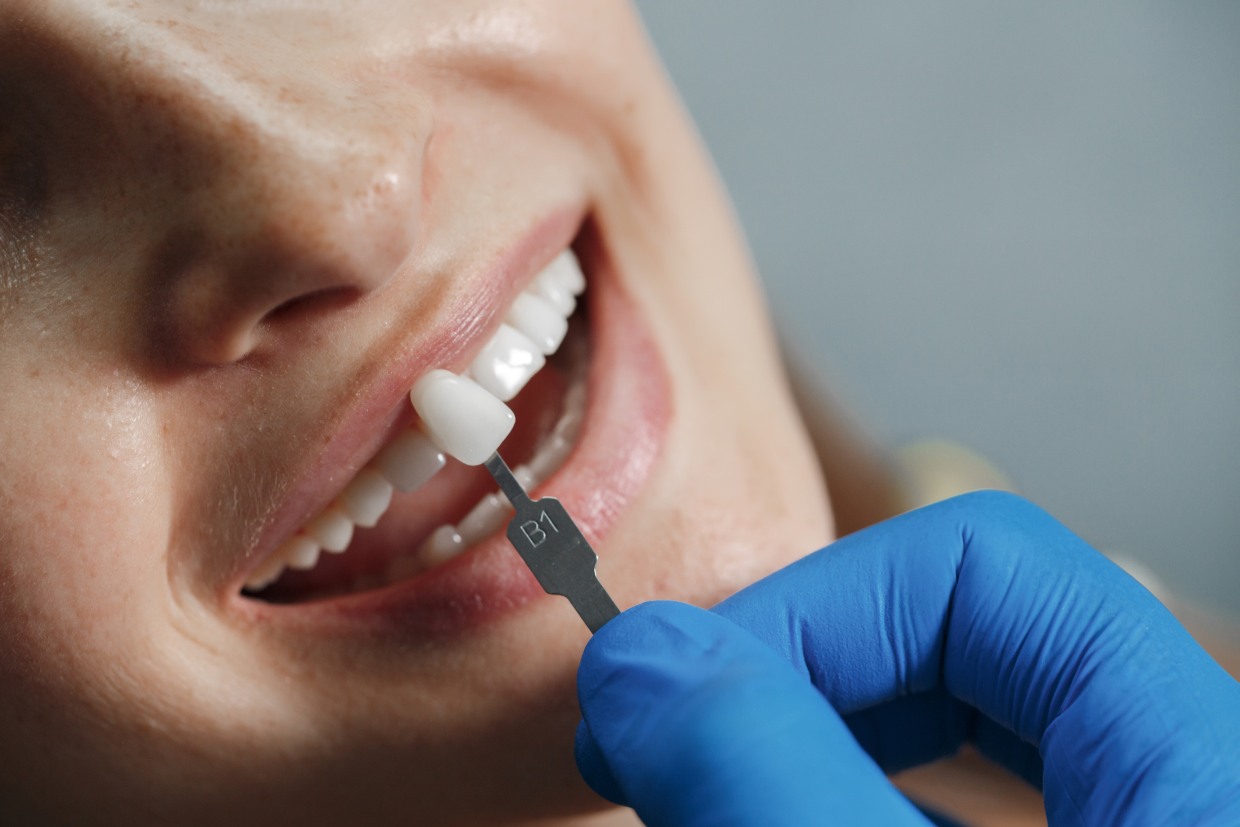
You’ve probably seen those dramatic smile changes on social media. The before-and-after photos look almost too good to be true. Dental veneers really can deliver that kind of change, though. The real question isn’t whether veneers work. It’s whether they’re the right choice for your specific situation, your goals, and your budget.
If you’re wondering whether veneers are worth it for fixing your smile, you’re asking the right question. It’s the most common thing we hear from patients considering cosmetic dental treatment. Let’s break down everything you need to know so you can make a confident decision.
What Are Dental Veneers?
Dental veneers are thin, custom-made porcelain or composite shells bonded to the front surface of teeth to correct chips, gaps, discoloration, and minor misalignment, preserving most natural tooth structure and typically lasting 10 to 20 years with proper care.
These shells are typically made from one of two materials: porcelain or composite resin. Porcelain veneers are crafted in a dental lab and offer strong durability along with a natural, light-reflecting quality that closely mimics real enamel. Think of them like a protective, beautiful facade that changes how your smile looks while keeping the majority of your original tooth intact underneath. Composite veneers can often be applied in a single visit and cost less, though they may not last quite as long or resist staining as effectively.
What can veneers fix? Quite a bit, actually. They’re commonly used to correct:
- Chipped or worn teeth
- Gaps between teeth
- Permanent discoloration that doesn’t respond to teeth whitening
- Minor misalignment or uneven tooth shapes
- Teeth that appear too small or disproportionate
Each veneer is custom-made to match your natural tooth color and shape. When done well, they blend so naturally that no one can tell they’re there. Our cosmetic dental team at Hayslip Family & Cosmetic Dentistry, led by doctors with over 30 years of clinical expertise, helps patients choose the right veneer material for their goals, combining clinical precision with an artistic eye for natural-looking outcomes.
How the Veneer Process Works: Step by Step
Understanding what to expect can make the whole treatment feel more comfortable. Here’s how the process typically unfolds.
Step 1: Your First Dental Appointment
Your first dental appointment at Hayslip Family & Cosmetic Dentistry focuses on understanding what you want to change about your smile. Your dentist will examine your teeth, discuss your goals, and determine whether veneers are the best option. This is also when smile design planning happens, and you might see digital mock-ups or photos showing potential outcomes.
Step 2: Preparing Your Teeth
To create space for the veneer, a very thin layer of enamel is removed from the front of each tooth, roughly the thickness of a fingernail. This step ensures the veneers sit flush with your other teeth and look natural.
Step 3: Capturing the Details
Once your teeth are prepared, impressions or digital scans capture the exact shape and dimensions needed. Those records go to a dental lab where skilled technicians craft your custom veneers. Some patients are surprised by how quick and straightforward this part of the process is.
Step 4: Wearing Temporary Veneers
While your permanent veneers are being made (usually one to two weeks), temporary veneers protect your prepared teeth. They also give you a preview of your new smile, which most patients find reassuring. The team at Hayslip Family & Cosmetic Dentistry checks in during this stage to make sure everything feels comfortable.
Step 5: Final Bonding and Polishing
At your follow-up visit, the temporary veneers come off and your permanent ones are carefully placed. Your dentist checks the fit, makes any necessary adjustments, and bonds them securely. A final polish completes the process.
Most patients complete everything in just two to three dental appointments.
Are Veneers Worth It? What Patients Like Most
For most patients with cosmetic concerns like chips, gaps, or stubborn discoloration, veneers are worth the investment. They deliver visible, lasting improvements in just a couple of visits, and the combination of durability, stain resistance, and natural appearance makes them one of the most reliable cosmetic dental treatments available. Whether they’re worth it for you depends on your specific goals, oral health, and budget.
When patients at Hayslip Family & Cosmetic Dentistry talk about their veneer outcomes, certain themes come up again and again:
Results Come Faster Than Most People Expect
Unlike orthodontic treatment that takes months or years, veneers deliver a new smile in just two visits. For people who’ve felt self-conscious about their teeth for a long time, that speed matters. One week you’re planning your smile design, and a couple weeks later you’re seeing the finished outcome in the mirror.
Porcelain Resists Staining
Porcelain doesn’t absorb stains the way natural enamel does. Your morning coffee, evening wine, or favorite curry won’t gradually discolor your veneers. They stay bright, which is a major reason patients choose porcelain over composite.
How Long Do Veneers Typically Last?
With good oral hygiene and regular dental visits, porcelain veneers commonly last 10 to 20 years. That’s a significant return on your investment, especially compared to treatments that need frequent touch-ups.
More of Your Natural Tooth Stays Intact
Compared to dental crowns, veneers require removing far less of your natural tooth structure. More of your original tooth stays preserved, which is always the goal in conservative cosmetic dentistry.
What About the Confidence Factor?
This might be the benefit patients mention most. When you’re not worried about hiding your teeth, you smile more freely. That confidence affects everything from job interviews to first dates to family photos. Patients often tell us they feel more comfortable in social settings and notice a more youthful appearance. Many also find themselves more motivated to maintain good oral health habits because they want to protect their investment.
Veneers vs. Other Cosmetic Dental Options: How Do They Compare?
Veneers aren’t the only way to improve your smile. They offer the best balance of durability and minimal tooth alteration for multiple cosmetic concerns, as shown in this comparison. Here’s how they stack up against other common options:
| Treatment | Best For | Durability | Tooth Alteration | Typical Timeline |
|---|---|---|---|---|
| Porcelain Veneers | Multiple cosmetic concerns | 10-20 years | Minimal | 2-3 weeks |
| Dental Bonding | Small chips, minor gaps | 3-10 years | None to minimal | Same day |
| Teeth Whitening | Staining only | Varies (requires touch-ups) | None | Same day to 2 weeks |
| Dental Crowns | Damaged or weakened teeth | 10-15 years | Significant | 2-3 weeks |
| Clear Aligners | Alignment issues | Permanent (with retainer) | None | 6-18 months |
Bonding: A Lighter-Lift Alternative
Dental bonding uses tooth-colored resin applied directly to teeth. It costs less and requires no enamel removal, but it stains more easily and typically needs replacement sooner. For minor fixes on one or two teeth, bonding might be enough. For a full smile design across several teeth, veneers usually deliver better long-term outcomes.
Should I Choose Whitening or Veneers?
It depends on the type of discoloration. Professional whitening works beautifully for surface stains, and it’s worth trying first if staining is your only concern. But some discoloration goes deeper. Tetracycline staining, fluorosis, or naturally gray teeth often don’t respond well to bleaching, and that’s where veneers can cover what whitening can’t fix.
When Crowns Are the Better Call
Crowns cover the entire tooth, which is the right choice when a tooth is significantly damaged or weakened. If your tooth is structurally sound and you’re focused on cosmetic improvement, veneers preserve more of your natural tooth.
What About Orthodontics Instead?
Clear aligners like Invisalign actually move your teeth into better positions, while veneers only change how teeth look from the front. For significant crowding or bite issues, orthodontic treatment addresses the underlying problem. For mild cosmetic concerns, veneers offer a faster solution. Sometimes combining treatments makes the most sense. Our team at Hayslip Family & Cosmetic Dentistry can help you weigh these options during a complimentary consult.
How Much Do Veneers Cost? Factors That Affect Pricing
Porcelain veneers typically cost $900 to $2,500 per tooth, while composite veneers generally range from $250 to $1,500 per tooth. Final pricing depends on several factors, including how many teeth you’re treating, the material you choose, and the complexity of your case. Here’s what influences where your cost falls within those ranges:
- Number of teeth: Most people get veneers on their most visible teeth (usually 4 to 8), but some choose a full set
- Material choice: Porcelain costs more than composite but lasts longer
- Lab fees: The quality and location of the dental lab affect pricing
- Case complexity: Teeth requiring more preparation or unusual shapes may cost more
- Geographic location: Costs vary by region
Most dental insurance considers veneers a cosmetic procedure and doesn’t cover them. That doesn’t mean they’re out of reach, though.
Many practices offer financing options and payment plans that break the cost into manageable monthly amounts. A payment calculator at Hayslip Family & Cosmetic Dentistry helps you explore what fits your budget before you commit. Our team can walk you through every option so there are no surprises. When you consider that porcelain veneers can last 10 to 20 years, the per-year cost often compares favorably to other cosmetic treatments that need regular maintenance or replacement.
Are You a Good Candidate for Dental Veneers?
Veneers work wonderfully for many people, but they’re not right for everyone. Here’s what our cosmetic dental team looks for when evaluating candidacy.
What Makes Someone a Good Candidate?
Good candidates typically have:
- Healthy gums without active periodontal disease
- Enough enamel remaining for proper bonding
- Cosmetic concerns like chips, gaps, staining, or minor misalignment
- You understand what veneers can and can’t do
- A willingness to keep up with brushing, flossing, and regular dental visits
When Might Veneers Not Be Recommended?
Veneers may not be the best fit if you have:
- Untreated tooth decay or gum disease (these need to be addressed first)
- Severe teeth grinding (bruxism) without a night guard plan
- Significantly weakened or damaged teeth that need crowns instead
- Very little remaining enamel
The only way to know for sure is through a consultation and exam. Our doctors, including Dr. Curtis O. Hayslip, DMD and Dr. Robert Vlahos, DMD, will evaluate your oral health, discuss your goals, and recommend the best path forward. If veneers aren’t the right fit, alternatives like bonding, crowns, or orthodontic treatment might serve you better. High-quality dental care should feel accessible and straightforward, and that starts with honest guidance.
Frequently Asked Questions About Veneers
Do veneers look natural?
When crafted by a skilled dental lab and placed by an experienced dentist, absolutely. Porcelain veneers are custom color-matched and designed to mimic the light-reflecting properties of natural enamel. Most people can’t tell the difference between veneers and natural teeth.
How long do veneers last?
Porcelain veneers typically last 10 to 20 years with good oral hygiene and regular dental checkups. Composite veneers generally last 5 to 10 years. Avoiding hard foods, not using teeth as tools, and wearing a night guard if you grind your teeth all help extend their lifespan.
Are veneers painful to get?
Most patients report minimal discomfort. Local anesthesia is used during the tooth preparation phase, so you won’t feel the enamel removal. Some sensitivity is normal for a few days after placement, but it typically resolves quickly.
Can veneers be removed later?
Because enamel is removed during preparation, the process is considered irreversible. Your teeth will always need some form of covering after veneer placement. When veneers eventually wear out, they can be replaced with a new set.
Do veneers require special care?
Not really. Standard brushing twice daily, flossing, and regular dental visits keep veneers in great shape. The main things to avoid: biting into very hard objects, opening packages with your teeth, and grinding without protection.
Will veneers stain like natural teeth?
Porcelain veneers resist staining far better than natural enamel. The bonding material at the edges can discolor over time, though, which is why good oral hygiene matters.
Are veneers worth it compared to other cosmetic treatments?
For patients dealing with multiple cosmetic concerns at once, veneers often provide the best value. They address chips, gaps, discoloration, and minor alignment issues in a single treatment, whereas tackling each concern separately could mean more dental appointments, more time, and potentially higher total costs. The long lifespan of porcelain veneers also means fewer replacements over the years.