For denture wearers, comfort truly makes all the difference. However, when irritation strikes, even speaking or eating can become painful. At Middle Georgia Center for Cosmetic Dentistry, our team’s top priority is helping every patient rediscover comfort, confidence, and a natural smile.
This guide explores the true causes of denture irritation, ways to relieve it, and when professional care becomes essential.
What Exactly Is Denture Irritation?
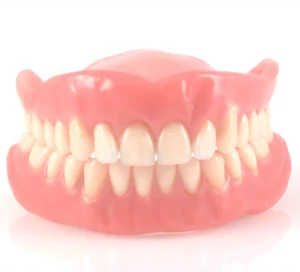
Denture irritation occurs when the gums or supporting tissues become sore, inflamed, or reddened due to friction, infection, or a poor fit. The discomfort may be mild or severe, often making daily wear uncomfortable.
According to the American Dental Association, nearly 15% of denture wearers experience irritation within the first year. The irritation commonly results from pressure ulcers, small sores caused by repeated friction, or tissue inflammation when dentures press unevenly on soft tissues.
Over time, bone resorption (the gradual loss of bone density in the jaw) can change the shape of the gum ridge, causing dentures that once fit perfectly to become loose, which increases the risk of irritation and sore spots.
If you’ve ever wondered, “Why do my dentures hurt even though they fit properly?” Subtle factors like dry mouth, small tissue shifts, or jawbone changes are often to blame.
Common Causes of Denture Irritation
- Poorly Fitted Dentures: As the underlying bone and gum tissues shift naturally, dentures can loosen or rub against sensitive areas. Even a small misalignment may create pressure points leading to inflammation or tissue breakdown.
- Dry Mouth (Xerostomia): Reduced saliva levels increase friction, causing gums to dry and crack. Dry mouth is often linked to medications, aging, or dehydration. Managing saliva flow is key to long-term denture comfort.
- Bacterial or Fungal Growth: Improperly cleaned dentures can harbor bacteria or yeast, leading to infections such as denture stomatitis. Regular cleaning and professional polishing prevent these issues.
- Allergic Reaction to Denture Materials: Rarely, patients may experience sensitivity to acrylic or metal components. We use biocompatible materials that minimize allergic responses while offering enhanced comfort.
- Improper Oral Hygiene: Plaque and food residue can irritate oral tissue. Gentle daily cleaning and regular dental checkups are crucial to maintaining healthy gums.
Types of Denture-Related Irritation
Not all irritation is the same. Knowing the cause helps guide treatment.
- Mechanical Irritation: This type stems from repeated friction or pressure caused by poorly fitting dentures or uneven bite alignment. Constant rubbing leads to small ulcers or sore spots on the gums and underlying tissue, resulting in inflammation and tenderness. If not addressed, these lesions can worsen, causing chronic discomfort and possible infection.
- Infectious Irritation: Often linked to inadequate denture hygiene, this irritation is caused by bacterial or fungal overgrowth, particularly Candida albicans. This leads to conditions such as denture stomatitis, characterized by redness, inflammation, and sometimes white patches beneath the denture base. Wearing dentures overnight or not cleaning them properly increases infection risk.
- Allergic Irritation: Though less common, some patients develop allergic reactions to materials used in dentures, such as acrylic resins or certain metals. Symptoms include burning sensations, itching, redness, and persistent inflammation in the gums or oral mucosa. Allergic irritation often does not improve with cleaning alone and may require material substitution.
When Irritation Signals Something More Serious
While mild soreness is common, persistent pain could indicate underlying oral health issues such as:
- Oral Thrush (Candidiasis): Characterized by white patches, burning, or bad taste.
- Gum Disease (Gingivitis or Periodontitis): May develop around remaining teeth or soft tissue, especially if hygiene is poor.
- Severe Bone Loss or Ill-Fitting Dentures: Chronic irritation may accelerate bone resorption, worsening your fit over time.
If these symptoms persist beyond a week, a dental evaluation is necessary to prevent long-term tissue damage.
Overlooked Causes of Denture Irritation
While fit and hygiene are leading factors, other overlooked habits can play a role:
- Chewing predominantly on one side
- Clenching or grinding teeth at night
- Not removing dentures before bed
- Consuming spicy, acidic, or very hot foods
- Systemic conditions such as diabetes or hormonal imbalances
Preventive Routine for Daily Denture Care
A consistent denture care routine helps prevent irritation and extends the life of your dentures:
- Morning: Rinse dentures thoroughly under warm water before wearing to remove overnight buildup and debris.
- After Meals: Rinse dentures to dislodge trapped food particles and reduce bacterial growth.
- Evening: Brush gently with a soft denture brush and non-abrasive cleanser to clean surfaces without damage.
- Overnight: Soak dentures in a professional denture cleansing solution or plain water to keep them moist and fresh.
- Weekly: Inspect soft liners, clasps, and dentures for cracks or wear that may cause irritation.
- Every 6 Months: Schedule dental exams for professional cleaning, fit checks, and adjustments to ensure continued comfort.
How to Relieve Denture Irritation at Home
Practical home remedies can ease discomfort until professional care is available:
- Saltwater Rinses: Use warm saltwater rinses to gently disinfect and soothe inflamed gum tissue.
- Cold Compresses: Apply a cold compress on the cheek over sore areas to reduce swelling and numb pain.
- Avoid Irritants: Stay away from spicy, acidic, or crunchy foods that can worsen irritation and delay healing.
- Hydrate & Lubricate: Drink herbal teas, water, and use saliva substitutes to manage dryness and reduce friction.
- Clean Regularly: Maintain thorough cleaning of dentures to prevent plaque and microbial buildup that aggravate soreness.
The Role of Diet and Lifestyle
Diet and lifestyle greatly impact denture comfort:
- Avoid Hard or Sticky Foods: These can dislodge dentures or cause rubbing.
- Stay Hydrated: Water supports saliva production and lubrication.
- Limit Alcohol & Caffeine: Both can dry the mouth.
- Stop Smoking: Tobacco reduces blood flow to gum tissues, delaying healing.
- Incorporate Soft, Balanced Meals: Yogurt, vegetables, and protein help repair tissues faster.
Denture Alternatives
If irritation persists despite adjustments, consider advanced options:
- Implant-Supported Dentures: These dentures are anchored securely to dental implants embedded in the jawbone, offering exceptional stability and comfort. Unlike traditional dentures that may slip or cause sores, implant-supported dentures significantly reduce friction and improve chewing efficiency. They also help preserve jawbone density, preventing the sunken facial appearance that can occur with bone loss, ultimately enhancing both function and aesthetics.
- Flexible Dentures: Made from lightweight, soft, and pliable materials, flexible dentures adapt closely to your gums' natural contour. Their flexibility allows better comfort and fit, minimizing sore spots and gum irritation common with rigid traditional dentures. Flexible dentures are often favored for their aesthetically natural look and gentle interaction with sensitive oral tissues.
- Partial Dentures: Designed for patients who still have some healthy natural teeth, partial dentures fill in the gaps, providing enhanced stability by anchoring to adjacent teeth. This option maintains oral function and prevents remaining teeth from shifting, offering both improved chewing ability and a more natural appearance compared to full dentures.
These alternatives often improve comfort, aesthetics, and overall oral health.
Final Thoughts
Denture irritation doesn’t need to disrupt your life. With prompt care, preventive habits, and expert adjustments, dentures can feel as comfortable as natural teeth. Visit Middle Georgia Center for Cosmetic Dentistry for a relief plan designed specifically for your needs.
Visit us at 1295 Russell Pkwy., Warner Robins, GA 31088 or call (478) 929-2190 to schedule your consultation today.
FAQs
How long can dentures be used before needing replacement?
With proper care, dentures can last many years, but typically they need replacement every 5–7 years due to normal wear, changes in the jawbone, and fit deterioration. Regular dental visits help determine the right time for replacement.
Can I use regular toothpaste to clean my dentures?
Regular toothpaste is too abrasive and can scratch dentures. It’s best to use denture-specific cleansers or mild soap with a soft brush designed for dentures to protect their surface and maintain appearance.
Is it safe to wear dentures while sleeping?
It is generally recommended to remove dentures at night. Taking them out allows gums to rest, reduces bacterial buildup, and helps prevent infections such as denture stomatitis.
What should I do if my dentures become loose or uncomfortable?
Loose or uncomfortable dentures can cause irritation and sores. Schedule a consultation with your dentist promptly for adjustments or relining to restore proper fit and comfort.
Can dentures affect my taste or cause bad breath?
Yes, poorly cleaned dentures can trap food and bacteria leading to bad breath and altered taste. Regular cleaning of both dentures and oral tissues helps maintain fresh breath and taste sensation.
Are there natural remedies to soothe denture irritation?
Gentle saltwater rinses, aloe vera gel, and maintaining hydration can help soothe irritated gums. However, persistent irritation should be evaluated by a dental professional.